

Key Takeaways
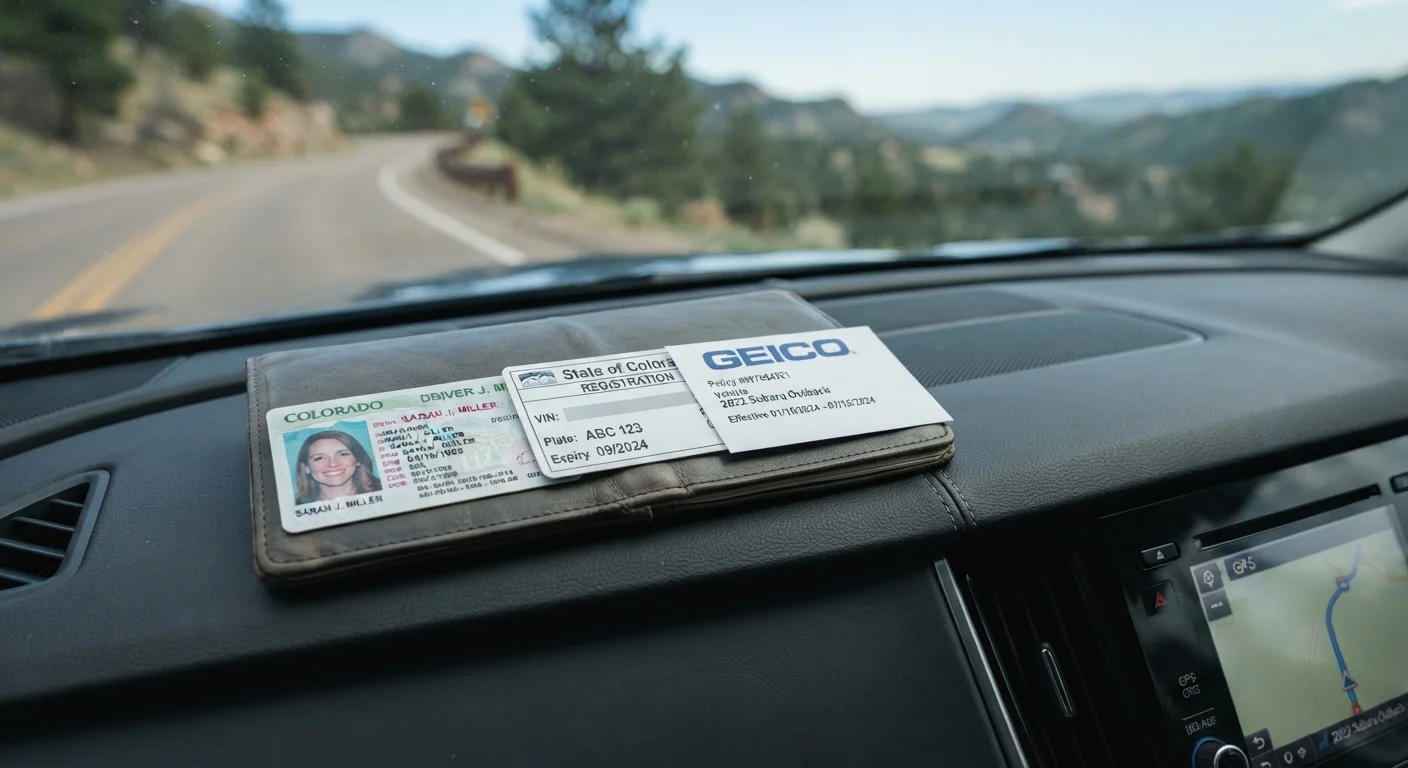
- Vehicle registration and proof of insurance are legally required in every U.S. state during a traffic stop.
- Keeping documents organized in a dedicated folder or envelope reduces stress in unexpected situations.
- Some documents belong in your glove box; others, like your title, should stay safely at home.
- Expired or missing documents can result in fines even if your underlying records are current.
- Digital insurance cards are accepted in most states, but a printed backup is always a good idea.
Summary
14 items · 15–30 minutes
Why Your Glove Box Matters More Than You Think
Most drivers think about car documents only when they're asked for them — usually at the worst possible moment. A traffic stop, a fender bender in a parking lot, or a roadside breakdown all demand quick access to accurate paperwork. Being unprepared doesn't just create embarrassment; it can lead to citations, delays in insurance claims, or complications with roadside assistance.
The good news is that organizing your car's documents is a one-time task that takes under half an hour. This checklist covers every document worth keeping in your vehicle, explains why each one matters, and flags a few items you should not store in the car. If you're new to car ownership, our guide to administrative essentials walks through the broader paperwork side of owning a vehicle.
Legally Required Documents
Practical Roadside and Incident Documents
Helpful Supporting Records
Documents to Keep at Home Instead
What to Use and How to Store It
A simple accordion-style document wallet or a zip-lock envelope kept in your glove compartment is enough for most drivers. Label it clearly so any passenger helping you in a pinch can find what you need fast.
Accordion document wallet or zip folder
Keeps all car documents organized, labeled, and protected from moisture in the glove compartment.
Accident exchange information form
A pre-printed form with fields for collecting the other driver's details quickly at the scene of an incident.
Pen and notepad
Useful for writing down information at a traffic stop or accident scene when phones may not be accessible.
Smartphone with documents folder or photo album
Backup digital copies of your documents stored in a clearly labeled photo album for quick reference.
One practical tip: photograph every document with your phone and store the images in a clearly named album. This won't substitute for the physical copies legally, but it can be a lifesaver if documents are lost or damaged after a collision.
Don't Store Your Vehicle Title in the Car
Your vehicle title is the legal proof of ownership. If your car is stolen with the title inside, a thief has everything they need to attempt a fraudulent sale. Always keep the title in a secure location at home, such as a lockbox or file cabinet, and never carry it in the vehicle.
Expired Documents Can Still Cost You
An insurance card showing an expired policy date — even if your policy was actually renewed — can create problems during a traffic stop or accident claim. Always swap in your updated card as soon as you receive it, and double-check that your registration sticker reflects the current year.
Stay on top of expiration dates — registration and insurance cards both expire on fixed cycles. A quick calendar reminder set a month before each renewal date prevents the awkward discovery of an expired card at a traffic stop. For context on what can happen if registration lapses, see what happens when you don't renew on time.
If you're heading out on a long trip, it's also worth confirming your documents are current before you leave. Our pre-long drive checklist covers the mechanical checks to pair with this document review.
Digital Insurance Cards: Know Your State's Rules
Most U.S. states now accept digital proof of insurance displayed on a smartphone screen. However, acceptance and specific requirements vary by state, and laws can change. Before relying solely on a digital card, confirm your state's current policy. Carrying a printed backup remains the safest approach and ensures you're covered even if your phone battery dies.