

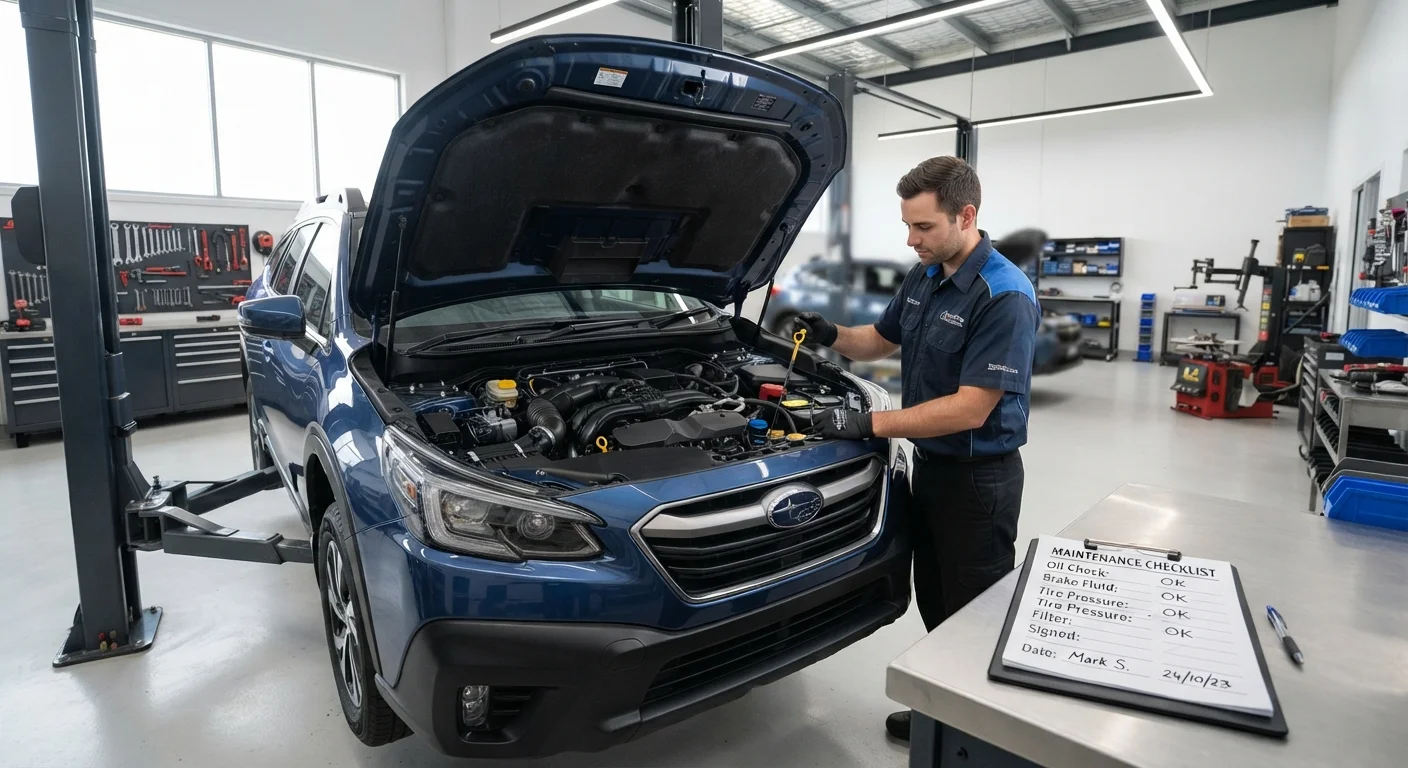
Why Service Intervals Exist
Every vehicle comes with a manufacturer-specified maintenance schedule — a set of service milestones tied to mileage, time, or both. These intervals aren't arbitrary. They reflect how long components typically last under normal driving conditions before they begin to degrade in ways that affect safety or reliability. Understanding the reasoning behind these intervals can help you take them seriously rather than treating them as optional suggestions.
Your owner's manual is the authoritative source for your specific vehicle. The intervals below reflect commonly cited general guidance, but always cross-reference with your manual — driving conditions, climate, and vehicle type can shift what's appropriate for your car.
Core Maintenance Milestones at a Glance
The following milestones cover the services most drivers will encounter throughout regular ownership. Intervals shown are general ranges; consult your owner's manual for your vehicle's exact schedule.
Engine Oil and Filter
Conventional oil is typically changed every 3,000–5,000 miles, though many modern vehicles using full synthetic oil can go 7,500–10,000 miles or more between changes. Oil degrades over time even if you drive infrequently, so a time-based interval (often once a year) applies alongside the mileage figure. Understanding oil grades and types helps you make sense of what your mechanic recommends. For a closer look at myths surrounding the old 3,000-mile rule, see our examination of common maintenance misconceptions.
Tyre Rotation
Tyres wear unevenly depending on their position on the vehicle. Rotating them — moving front to rear and side to side according to a standard pattern — extends tyre life and promotes balanced handling. Most guidance suggests rotating every 5,000–7,500 miles, often aligned with oil changes for convenience. Reading your tyre sidewall can also help you spot wear indicators and size specifications.
Brake Inspection
Brake pads generally need replacement every 25,000–70,000 miles, a wide range that depends heavily on driving habits, terrain, and pad material. Have brakes inspected at least annually or whenever you notice squealing, grinding, vibration, or increased stopping distance. Brake fluid should also be checked; it absorbs moisture over time and may need flushing every two to three years.
Air Filter
The engine air filter prevents dust and debris from entering the engine. Most manufacturers recommend replacement every 15,000–30,000 miles, though dusty driving environments shorten this interval considerably.
Cabin Air Filter
The cabin air filter cleans air entering the passenger compartment through the HVAC system. It typically needs replacing every 15,000–25,000 miles and is a straightforward task that many owners can handle themselves — though always verify the location and procedure for your specific vehicle before attempting it.
Spark Plugs
Spark plugs ignite the air-fuel mixture in the engine cylinders. Conventional plugs may need replacing every 30,000 miles, while iridium or platinum plugs in many modern vehicles can last 60,000–100,000 miles or more.
Coolant Flush
Engine coolant (antifreeze) degrades over time, losing its ability to prevent corrosion and regulate temperature. A flush is commonly recommended every 30,000 miles or every two to five years, depending on the coolant type.
Transmission Fluid
Transmission fluid lubricates and cools internal components. Automatic transmissions may call for a fluid change every 30,000–60,000 miles; some manufacturers specify sealed units with no change required under normal use, though many mechanics dispute that claim for high-mileage vehicles. Check your manual for guidance specific to your drivetrain.
Always Check Your Owner's Manual First
The intervals listed here are general reference ranges drawn from common industry guidance. Your vehicle's owner's manual contains the manufacturer-recommended schedule specific to your engine, drivetrain, and model year. If your car has a maintenance reminder system built into the dashboard, that system may also adjust intervals based on actual driving conditions — but it works alongside the manual, not as a replacement for it.
Keeping Track — and Staying Prepared
Maintaining a log of every service performed — including date, mileage, and work done — protects both your car's reliability and its resale value. Our guide to what to record in a vehicle maintenance log explains exactly what details matter and the simplest ways to keep them organized. Before any long trip, it's also worth running through a pre-journey vehicle check to confirm your car is road-ready.
Some routine tasks — such as checking tyre pressure, topping up washer fluid, or replacing wiper blades — are well within most owners' ability. Others, particularly brake work, suspension repairs, or anything involving the fuel or exhaust system, should be handled by a qualified mechanic. Our breakdown of when to DIY and when to call a professional draws that line clearly. For adjustments that vary with the seasons, seasonal maintenance considerations are also worth reviewing.
Service interval
The mileage or time period specified by a manufacturer after which a particular maintenance task should be performed. Intervals are designed around the typical lifespan of a component under normal operating conditions.
Synthetic oil
A type of engine oil chemically engineered to provide more consistent lubrication and longer service life than conventional (petroleum-derived) oil. It generally supports longer change intervals but costs more per quart.
Brake fluid flush
The process of draining old brake fluid from the hydraulic braking system and replacing it with fresh fluid. Brake fluid absorbs moisture over time, which can lower its boiling point and reduce braking effectiveness.
Coolant (antifreeze)
A liquid circulated through the engine to regulate operating temperature and prevent corrosion. It prevents the coolant from freezing in cold weather and boiling in hot conditions.
Tyre rotation
Moving each tyre to a different position on the vehicle according to a prescribed pattern to promote even tread wear and extend overall tyre life.