

Key Takeaways
- Patagonia spans both Argentina and Chile — visiting both sides requires separate planning and border crossings.
- Weather is notoriously unpredictable; layering and flexibility are essential, not optional.
- The most visited parks require advance reservations for trails and campsites, sometimes months ahead.
- Gateway cities like Punta Arenas, Puerto Natales, and El Calafate serve very different parts of the region.
- Road tripping is a rewarding option but demands careful vehicle preparation and route research.
- Indigenous Mapuche and Tehuelche communities have a living presence in the region that deserves cultural respect.
Start here
What and Where Is Patagonia, Exactly?
Plan your timing
Seasons, Weather, and When to Go
Logistics
Getting There and Getting Around
On the ground
The Parks, Trails, and What to Realistically Expect
Travel with care
Culture, Communities, and Traveling Respectfully
What and Where Is Patagonia, Exactly?
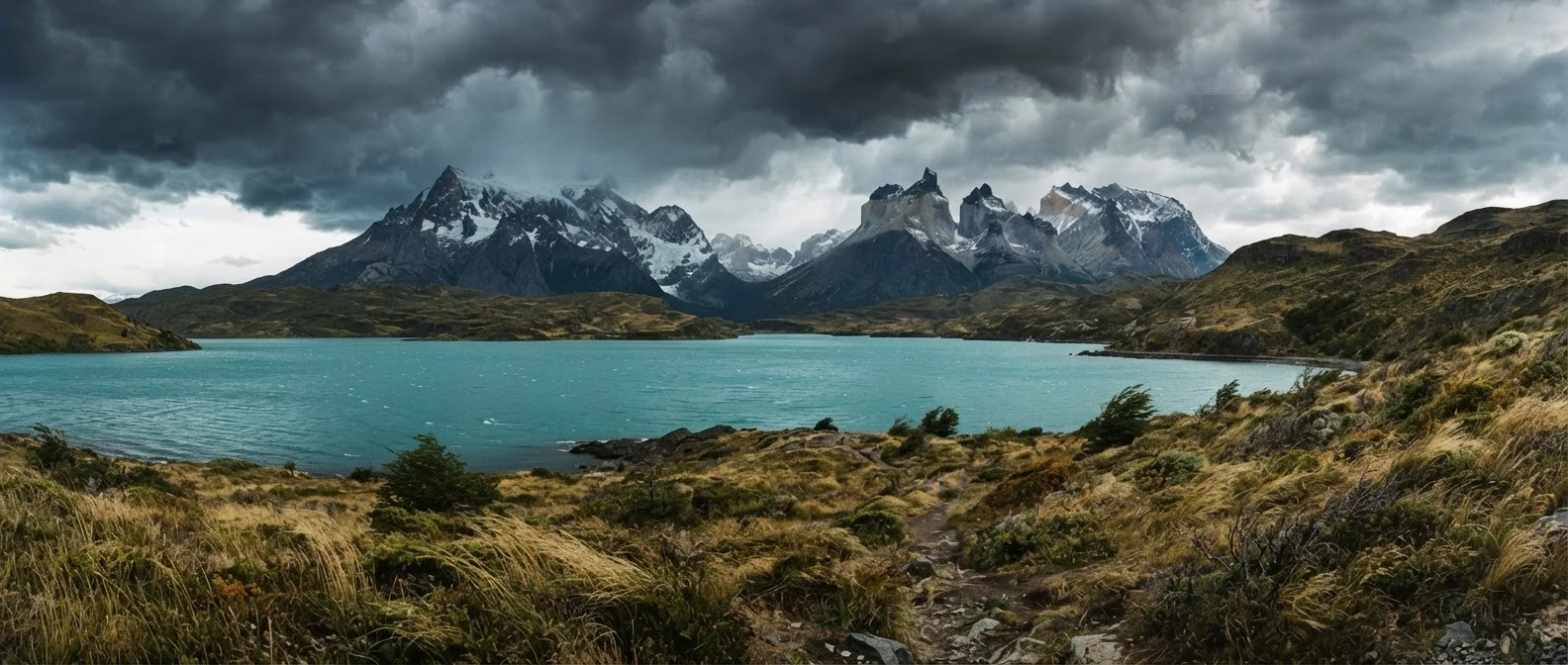
Patagonia doesn't have a border crossing that announces you've arrived — it's more of a geographic idea than a fixed political territory. Broadly, it refers to the southern cone of South America, covering roughly the bottom third of both Argentina and Chile. The Andes run like a spine through the middle, dividing the region into two distinct personalities: the wide, wind-blasted Argentine steppe to the east, and the Chilean side's dense forests, fjords, and ice fields to the west.
Understanding this split matters practically. Visiting Chilean Patagonia — home to Torres del Paine National Park and the Southern Patagonian Ice Field — is a different logistical undertaking than visiting Argentine Patagonia, which includes Los Glaciares National Park and the famous Perito Moreno Glacier. Many visitors try to see both in one trip, which is absolutely possible but requires planning border crossings and accounting for the real distances involved.
Southern Patagonian Ice Field
One of the largest temperate ice masses on Earth, shared between Argentina and Chile, feeding many of Patagonia's major glaciers.
W Trek
A popular multi-day hiking route in Torres del Paine National Park shaped like the letter W, visiting key viewpoints including the towers themselves.
Ruta 40
A famous Argentine highway running the length of Patagonia along the Andean foothills — long, largely unpaved in the south, and a classic road-trip route.
Carretera Austral
Chile's scenic Southern Highway, a mostly unpaved road stretching through remote fjord and forest country — best explored with a robust vehicle or organized tour.
Estancia
A large ranch, historically focused on sheep farming, that became the primary form of human settlement across Patagonia's open grasslands in the 19th and 20th centuries.
PLB (Personal Locator Beacon)
A small emergency device that sends a distress signal with your GPS location to rescue services — essential safety gear in areas without cell coverage.
For context, Patagonia covers an area roughly comparable to Texas and California combined. Distances that look manageable on a map often translate to many hours on rugged roads. This isn't a destination you rush.
Seasons, Weather, and When to Go
If Patagonia has a defining characteristic beyond its landscapes, it's the wind. Even in summer, gusts in exposed areas can hit 60 mph or more, turning a sunny afternoon into a physical struggle. Locals have a saying that Patagonia has four seasons in one day — and it's not really an exaggeration.
The Southern Hemisphere's summer (November through February) is the most popular window for a reason: longer daylight hours, milder temperatures, and more reliable — though never guaranteed — weather. This is also when trails and campsites fill fastest, and when advance reservations become essential rather than optional.
Consider Shoulder Season Seriously
October and March offer notably fewer crowds on popular trails and often lower accommodation costs. Autumn (March–April) brings striking golden and red hues to the lenga beech forests. You'll still need full weather gear, but the experience can feel more spacious and authentic than the peak summer rush.
Shoulder seasons (October and March) offer a meaningful trade-off: fewer crowds, lower prices, and genuinely beautiful light and color, especially in autumn. Winter (June through August) closes many high-altitude trails and brings harsh conditions, though some travelers find the solitude of off-season Patagonia worth the challenges.
Pack in true layers regardless of when you go. A windproof shell, moisture-wicking base layers, and warm insulation should be considered non-negotiable — not aspirational gear list additions.
Getting There and Getting Around
Most international visitors fly into Santiago, Chile or Buenos Aires, Argentina, then connect to regional airports closer to their destination. For Chilean Patagonia, Punta Arenas is the main hub, with Puerto Natales serving as the closest town to Torres del Paine. For the Argentine side, El Calafate is the primary gateway to Los Glaciares National Park.
Getting around once you're in the region is where trip planning gets genuinely interesting. A combination of buses, shuttles, ferries, and rental vehicles covers most routes — but schedules can be infrequent and conditions unpredictable. If you're considering a road trip along the legendary Ruta 40 or the Carretera Austral, that's a separate kind of adventure that rewards thorough preparation. See our practical road trip planning guide for considerations that apply directly to these routes.
Border Crossings Take Real Time
Crossing between Argentine and Chilean Patagonia involves official border posts that may have limited hours and can involve waits — especially during peak season. Some crossings require ferries. Plan these transitions with generous buffers, verify current hours before departing, and ensure your travel documents are in order for both countries.
For those new to international independent travel more broadly, our guide to planning your first international trip covers passports, health preparation, and logistics that are especially relevant when a destination is this remote.
The Parks, Trails, and What to Realistically Expect
Torres del Paine, on the Chilean side, is among the most iconic hiking destinations on Earth — and it knows it. The park uses a managed reservation system, and spots on the W Trek and the full Circuit (a longer loop) are allocated in advance. If you arrive hoping to walk in and wing it during peak season, you'll likely be turned away or find campsites full. Check the official booking system well in advance and read the current park regulations before going.
On the Argentine side, Los Glaciares National Park offers the extraordinary experience of watching Perito Moreno Glacier — one of the few glaciers in the world that is not currently retreating — calve massive ice blocks into Lago Argentino. Access here is more straightforward than Torres del Paine, though El Calafate itself has grown significantly with tourism infrastructure.
Patagonia's remoteness is part of its appeal, but it also means emergency services are limited in backcountry areas. Cell coverage drops out quickly outside of towns. Carrying a personal locator beacon (PLB) or satellite communicator is recommended by experienced trekkers in this region — not as alarmism, but as sensible preparation for the environment. For a sense of how remote wilderness destinations compare, our overview of visiting Antarctica puts the logistical stakes of truly isolated travel in perspective.
Culture, Communities, and Traveling Respectfully
Patagonia is not an uninhabited wilderness — it has been home to Indigenous peoples, including the Mapuche and Tehuelche, for thousands of years, and their communities continue to exist throughout the region. Estancias (ranches) built during the 19th century wool boom also shaped the cultural landscape, and their descendants remain part of the fabric of Patagonian life.
Travelers visiting the region benefit from approaching it with genuine curiosity about this human history rather than treating it purely as backdrop for outdoor adventure. If your itinerary brings you near Indigenous cultural sites or community-run tourism operations, the principles in our guide on approaching Indigenous cultural sites as a respectful visitor offer practical, thoughtful framing.
Fire Safety Is Non-Negotiable Here
Patagonia's dry grasslands and forests are highly vulnerable to fire, and major wildfires have caused significant ecological damage in the past. Open fires are prohibited in many zones. Always check current fire rules with park authorities before your trip, and never light fires in windy or dry conditions under any circumstances.
Patagonia's ecosystems are fragile. The region has experienced devastating wildfires in the past — some sparked by campfires — and land managers take fire safety extremely seriously. Follow all posted fire regulations, use designated fire rings only where permitted, and never light fires during wind events or dry conditions. Leave No Trace principles apply here with particular urgency.
Ultimately, Patagonia rewards the traveler who arrives prepared and remains adaptable. The landscapes are extraordinary, but it's the combination of wildness, scale, and honest difficulty that makes a trip here genuinely transformative — rather than simply scenic.