

Key Takeaways
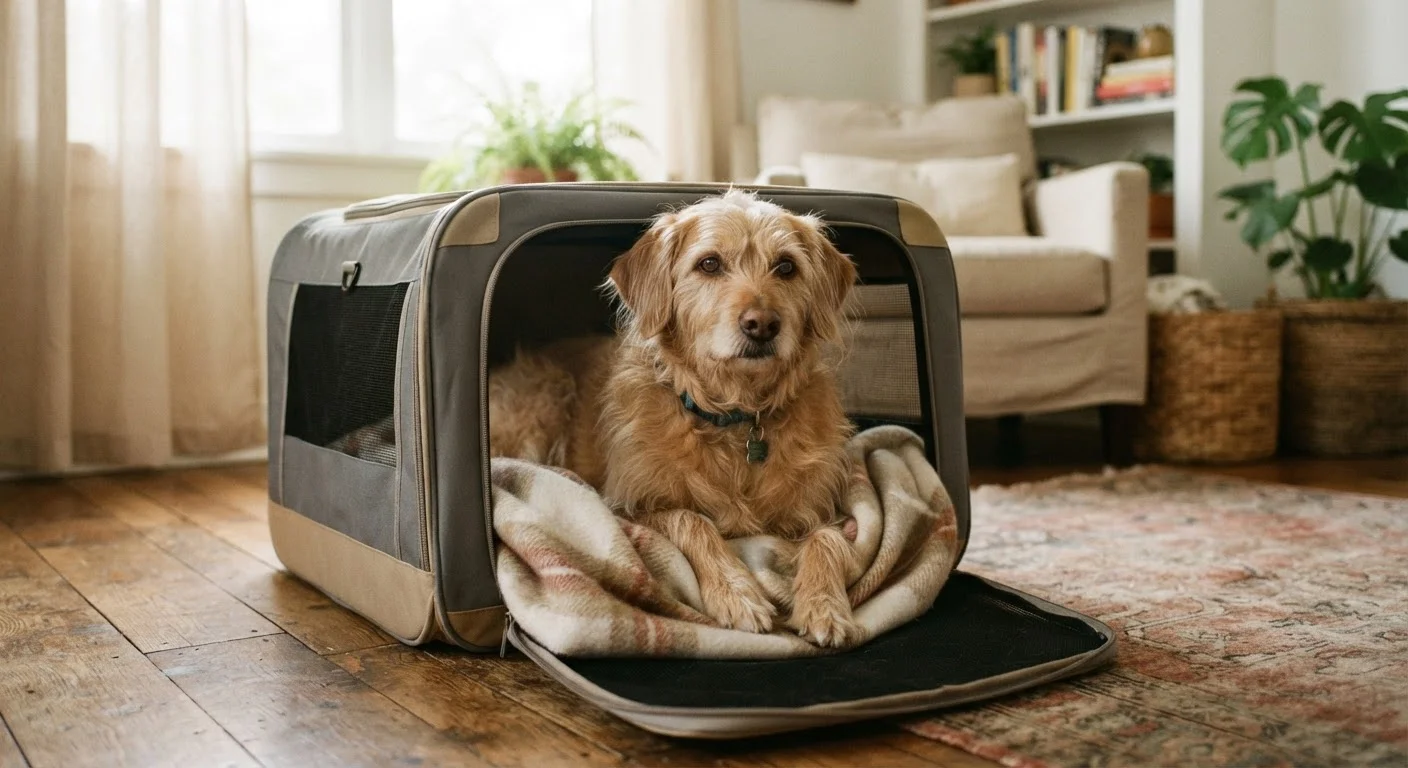
- Carrier habituation practiced at home significantly reduces travel-related stress for cats and dogs.
- Bringing complete health records and a symptom log helps the vet assess your pet more efficiently.
- Skipping breakfast before the visit can reduce car-sickness and make treat rewards more effective.
- A calm owner demeanor directly influences how a pet behaves during veterinary handling.
- Pre-visit phone calls allow you to flag anxiety concerns so the clinic can plan appropriately.
Summary
18 items · 20–45 minutes
Why Preparation Makes All the Difference
For many pets, a vet visit is a cascade of unfamiliar sensations — strange smells, new people, other animals nearby, and handling they don't expect. That stress is real, and it can make exams harder for vets to perform accurately and harder for owners to manage. The good news is that much of this anxiety is preventable through deliberate preparation in the days and hours before you leave home.
This checklist is designed for owners of dogs and cats who range from mildly wary to genuinely distressed around veterinary care. Whether you're heading to a routine wellness exam or a same-day sick visit, these steps give you a practical framework. If you're also wondering what the appointment itself typically covers, our annual vet visit checklist walks through what vets assess during standard checkups.
Days Before the Visit
The Morning of the Appointment
At the Clinic
After You Return Home
What to Bring and How to Stay Calm
Arriving organized reduces your own stress — and pets are remarkably good at reading human anxiety. Dogs in particular respond to owner body language, so if you're tense, they often escalate. Cats pick up on sudden handling and hustle. Arriving with everything prepared lets you stay measured and reassuring throughout the trip.
Don't Use Sedatives Without Vet Guidance
Over-the-counter calming supplements and human medications are not safe substitutes for veterinary-prescribed sedation. Some products can interfere with exam results or cause adverse reactions. If your pet's anxiety is severe, speak directly with your vet before the appointment — they can advise on appropriate options specific to your animal's weight, age, and health status.
For new pet owners, vet preparation overlaps with a broader settling-in process. Our guide on the first month with a new pet covers how early routines — including positive carrier exposure — set the tone for veterinary experiences throughout your pet's life.
Hard-sided or soft-sided carrier
Provides a secure, familiar space for transport — essential for both cats and small dogs.
Pet health records folder
Keeps vaccination history, prior diagnoses, and medication lists organized and accessible at the appointment.
High-value treats
Used to create positive associations during loading, transit, and the exam itself.
Lightweight breathable towel
Covers the carrier in the waiting room to reduce visual overstimulation, especially for cats.
Written symptom log
Ensures you accurately convey behavioral changes, appetite shifts, or physical symptoms to the vet.
Calming pheromone spray
Species-specific sprays (such as those formulated for cats or dogs) can be applied to carrier bedding before the trip — consult your vet about suitability.
If your pet is older and you're managing the additional layer of age-related sensitivity, the considerations in keeping an ageing pet comfortable are worth reviewing before any appointment. Senior animals may need extra time for carrier acclimation or benefit from scheduling during quieter clinic hours.
This article is for general informational purposes only and is not a substitute for professional veterinary advice. Always consult your veterinarian about concerns specific to your pet's health and behavior.