

Key Takeaways
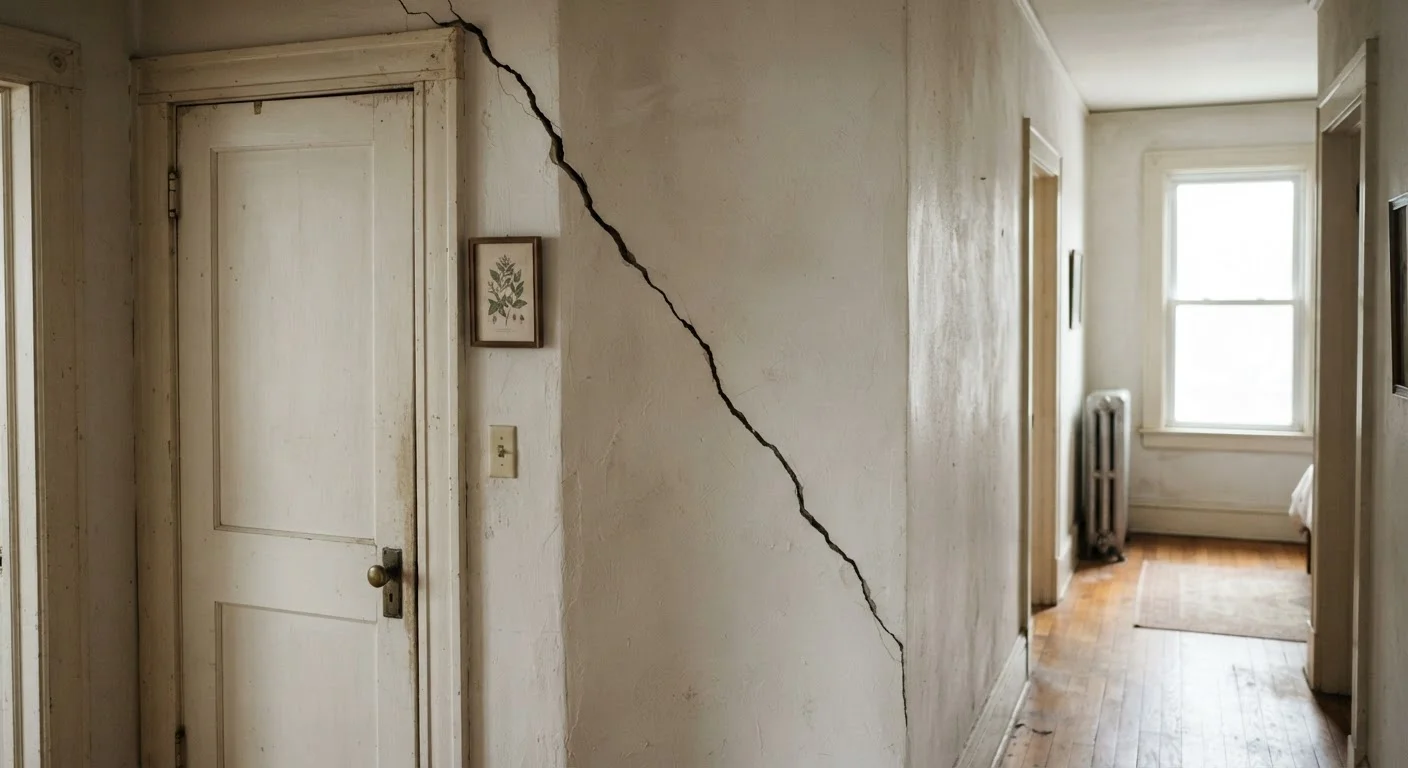
- Diagonal cracks near door and window corners often indicate foundation movement rather than simple settling.
- Floors that slope or feel springy may point to damaged joists or weakened support posts beneath.
- Sticking doors and windows that worked fine before can signal that a wall or frame has shifted.
- Hairline cracks in drywall are usually cosmetic; wide, stepped, or recurring cracks warrant professional evaluation.
- Multiple warning signs appearing together are more concerning than any single symptom in isolation.
- A licensed structural engineer or qualified home inspector should assess any sign you cannot confidently explain.
Structural Warning Signs
Structural warning signs are physical changes in a home — such as cracks, uneven floors, sticking doors, or bowing walls — that may indicate stress, movement, or damage in the building's load-bearing framework. Catching these signs early gives homeowners the opportunity to investigate before minor issues escalate into major repairs. Not every crack is serious, but knowing which ones deserve attention can save significant money and stress.
A home's structural system includes its foundation, load-bearing walls, beams, joists, and roof framing. Stress in any of these elements can manifest as visible symptoms elsewhere in the building envelope.
Why Homes Move — and What That Means for You
Every home shifts to some degree over its lifetime. Soil expands and contracts with moisture, timber framing responds to temperature and humidity, and concrete foundations develop minor stresses as loads redistribute. This background movement is normal. The question homeowners need to answer is: when does movement cross the line from ordinary settling into a genuine structural concern?
The answer lies in pattern recognition. A single small crack in drywall tells you almost nothing on its own. But a cluster of signs — sticking doors, a crack that has widened since last year, a floor that now rolls a marble across the room — begins to tell a story. Learning to read that story is one of the most valuable skills a homeowner can develop.
New Construction Settles Too
Even recently built homes experience some settling in their first few years as the soil beneath adjusts to the structure's weight and the lumber continues to dry. Minor hairline cracks in new drywall during this period are common. If you are in a newer home and see significant or rapidly changing symptoms, consult your builder's warranty terms and consider an independent inspection.
Cracks: Reading Between the Lines
Not all cracks are equal. Here is a practical framework for evaluating what you see:
- Hairline cracks running vertically or horizontally in drywall — typically cosmetic, caused by seasonal movement or minor settling. Monitor them, but they rarely require anything beyond patching.
- Diagonal cracks radiating from the corners of doors and windows — these follow lines of stress concentration and may indicate differential foundation movement. If they are wider than about 1/4 inch or are growing, consult a professional.
- Stair-step cracks along mortar joints in brick or block walls — a classic sign of foundation movement. The pattern follows the weakest path through masonry.
- Horizontal cracks in basement or foundation walls — often the most serious type, as they can indicate lateral soil pressure pushing inward against the wall.
One useful habit: mark the ends of any crack with a pencil and date it. Check back in a month or two. A crack that has not changed is less concerning than one that is actively growing.
For a deeper look at what happens inside your walls, see our guide to recurring damp patches, which explains how moisture intrusion can compound structural stress.
Floors, Doors, and Windows: Subtler Signals
Structural movement rarely limits itself to one symptom. Pay attention to these secondary indicators:
Uneven or Springy Floors
A floor that visibly slopes or feels soft underfoot may reflect damaged floor joists, a deteriorating support beam, or compromised posts in a crawl space. These elements carry the weight of everything above them. A clear understanding of load-bearing structures can help you appreciate why floor problems deserve prompt attention.
Sticking or Misaligned Doors and Windows
Doors and windows are installed square within their frames. When a structure moves unevenly, those frames rack slightly out of square — causing doors to stick, latch poorly, or show uneven gaps around their edges. Seasonal humidity can produce similar symptoms, so look for patterns: Does the problem affect one specific area of the house? Did it appear suddenly rather than seasonally?
Do a Slow Walkthrough Twice a Year
Schedule a deliberate structural check each spring and fall — the seasons when temperature and moisture shifts are greatest. Walk every room slowly, run your hand along walls, open and close every door, and look along floor surfaces at a low angle to catch slopes that are easy to miss when standing upright. Photograph anything new and date the image.
Gaps Between Walls, Ceilings, and Floors
Separation along the junction where a wall meets the ceiling, or where a floor meets a wall, can indicate the two elements are no longer moving together — a potential sign of differential settlement or structural shift worth investigating.
When to Watch and When to Act
Not every warning sign demands an immediate call to a structural engineer. Use this general framework:
- Monitor: Small, stable cracks or very minor seasonal door sticking. Mark, date, and photograph them. If nothing changes over two to three months, the risk is likely low.
- Investigate further: Any sign that is new, growing, or accompanied by a second symptom. A home inspector with structural experience can often provide a preliminary assessment and advise whether a structural engineer is warranted.
- Call a structural engineer promptly: Multiple simultaneous warning signs, rapidly widening cracks, horizontal foundation cracks, severely sloping floors, or any sign that the structure may be actively moving.
Keep in mind that structural repairs frequently require building permits and licensed contractors. Before any work begins, check with your local building department. Our article on permits and inspections explains why this step protects both your safety and your investment.
~25%
US homes with some form of foundation issue
Industry estimates suggest roughly one in four American homes will experience some degree of foundation movement or related damage during their lifespan, according to foundation repair industry analyses.
$4,000–$10,000+
Typical cost range for foundation repairs
According to general contractor cost data, foundation repair costs vary widely depending on the type and severity of damage; early detection typically reduces the scope — and cost — of necessary work.
2–3x
Cost multiplier when repairs are delayed
Structural problems that allow water infiltration or continued movement can compound quickly; delayed intervention often results in significantly larger repair scopes, consistent with broader home maintenance cost research.
When you do need to engage a professional, go in prepared. Our guide to hiring a tradesperson covers what to ask, what credentials to verify, and what to get in writing before work starts.