

Key Takeaways
- Chronic stress manifests in cognitive, physical, emotional, and behavioural domains simultaneously.
- Many stress signals — like poor sleep or irritability — are easy to dismiss as unrelated problems.
- Recognising patterns across multiple categories is more telling than any single symptom.
- This checklist is a self-awareness tool, not a diagnostic instrument — consult a professional for guidance.
- Early recognition of stress signals gives you a better opportunity to seek support and make adjustments.
Summary
22 items · 10–20 minutes
Why It's Easy to Miss the Signs
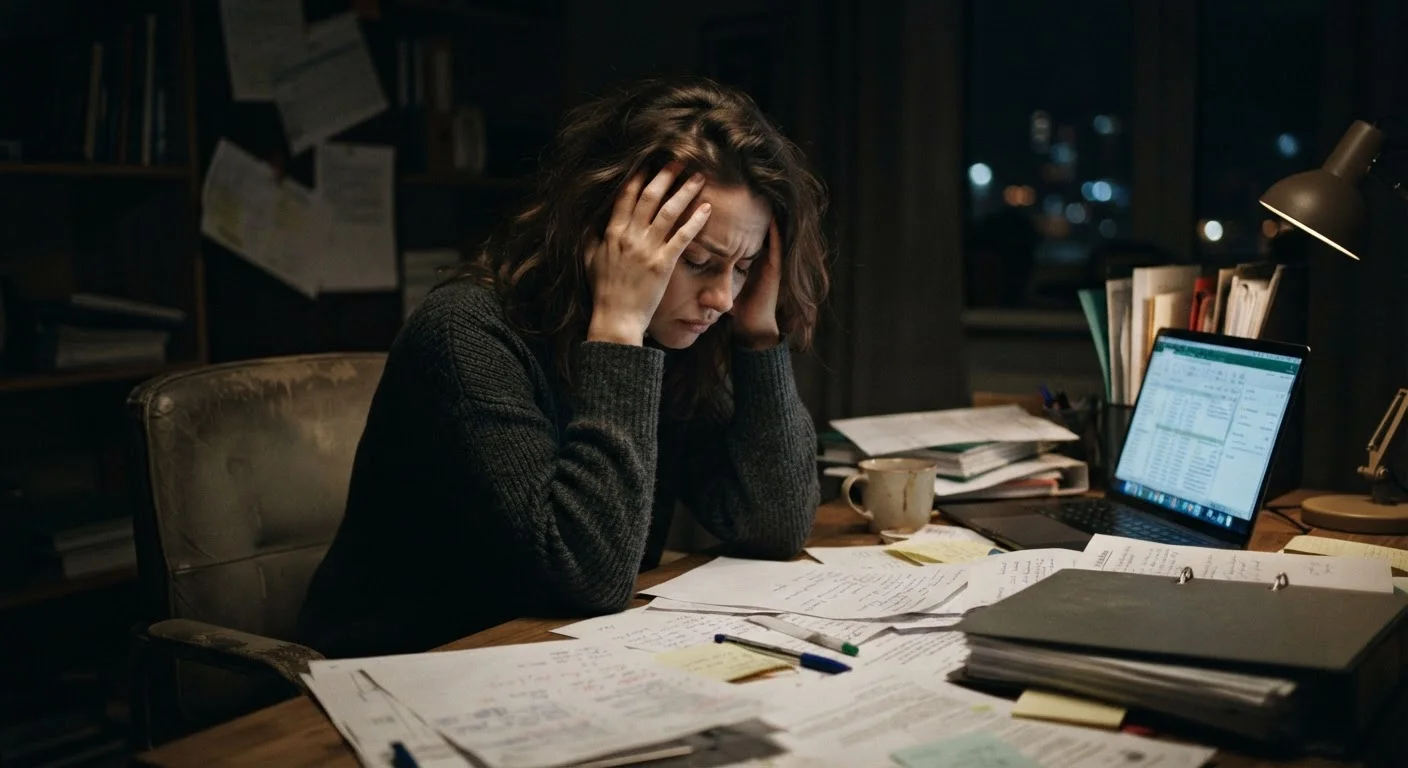
Stress rarely announces itself clearly. More often, it accumulates in the background — showing up as a short fuse during a minor inconvenience, a fog that makes concentrating feel impossible, or a tension headache that seems to come from nowhere. Because individual symptoms can each have innocent explanations, the overall pattern frequently goes unrecognised for months.
This checklist is designed to help you take stock across four key areas of daily life: cognitive function, physical wellbeing, emotional regulation, and behaviour. If you notice clusters of signs across multiple categories, that pattern is worth paying attention to — and worth discussing with a qualified healthcare or mental health professional.
For a deeper look at how prolonged stress affects the body beyond these everyday signals, see The Relationship Between Chronic Stress and Physical Health.
This Is Not a Medical Diagnosis
The signs in this checklist can overlap with symptoms of anxiety disorders, depression, burnout, and other conditions that require professional evaluation. Using this checklist does not replace a conversation with your doctor or a licensed mental health professional. If you are experiencing severe distress, thoughts of self-harm, or symptoms that interfere significantly with daily functioning, please seek professional support promptly.
Your Stress Self-Assessment Checklist
Work through each category below. Rather than tallying a score, notice which areas feel most familiar to your recent experience. Honest self-reflection matters more than counting checkmarks.
Cognitive Signs
Physical Signs
Emotional Signs
Behavioural Signs
Interestingly, your environment can quietly amplify stress signals. Research broadly suggests that physical clutter competes for attention and elevates cortisol — the body's primary stress hormone. If your living or work space has become progressively messier during a stressful period, that may not be coincidental. The Psychology Behind Clutter explores this connection in more detail.
Stress Signals Can Mimic Other Conditions
Symptoms like fatigue, poor sleep, and gastrointestinal discomfort are not exclusive to stress — they may also reflect thyroid dysfunction, nutritional deficiencies, sleep disorders, or other medical conditions. Do not assume stress is the sole explanation without ruling out other causes with a healthcare provider. A proper evaluation gives you a more accurate and actionable picture.
What to Do After Using This Checklist
Recognising stress signals is a meaningful first step, but it is not the same as addressing them. If several items in this checklist resonated with your current experience, consider the following:
- Talk to a professional. A primary care physician, psychologist, or licensed therapist can help you assess whether what you are experiencing reflects stress, an anxiety disorder, depression, or another condition that warrants treatment. Do not rely on self-assessment alone to make that determination.
- Monitor your physical health alongside your mental state. Stress and physical wellbeing are deeply intertwined. The Weekly Physical Health Self-Check is a useful companion resource for tracking energy, sleep quality, and recovery patterns over time.
- Pay attention to posture and tension. Chronic stress often concentrates physically in the neck, shoulders, and jaw. Everyday Posture Habits That Accumulate Into Chronic Pain outlines how physical tension patterns build and how to interrupt them.
This article is for general informational and educational purposes only and is not a substitute for professional medical or mental health advice, diagnosis, or treatment. If you are experiencing significant distress or any medical symptoms, please consult a qualified healthcare professional.