

Key Takeaways
- Ignoring minor warning signs rarely saves money — it almost always amplifies the eventual repair cost.
- Many expensive failures trace directly back to a cheap, neglected component such as a belt or hose.
- Addressing small repairs promptly protects warranty coverage and maintains your vehicle's resale value.
- A qualified mechanic can often spot cascading risks during routine inspections before they escalate.
The Hidden Cost of Waiting
Most drivers don't ignore maintenance out of carelessness — they delay it because the car still seems to run fine. A faint squeal from the brakes, a slightly low coolant level, or an unfamiliar vibration rarely stops anyone in their tracks. Yet these are precisely the signals that, left unaddressed, quietly build toward failures that cost hundreds or even thousands of dollars to resolve.
Understanding why small problems compound is the first step to breaking the cycle. Vehicles are interconnected systems: one worn or under-resourced component places additional stress on everything around it. A failing water pump, for example, doesn't just threaten the pump — it risks overheating the engine and warping the cylinder head, turning a few-hundred-dollar repair into one that can exceed the car's value.
If you're newer to car ownership, our guide on what new car owners often get wrong in the first year covers several of these same patterns in more detail.
$1,200+
Typical cost of a catalytic converter replacement
Repair cost data from AAA suggests catalyst damage from prolonged misfires is among the more expensive deferred-maintenance consequences drivers face.
35%
Of roadside breakdowns linked to maintenance neglect
AAA has reported that a significant share of the tens of millions of roadside service calls it handles annually involve issues that routine maintenance could have prevented or detected.
Common Mistakes That Turn Minor Issues Into Major Bills
The mistakes below represent patterns mechanics encounter regularly. Each one follows the same arc: a low-cost fix gets deferred, and the underlying problem quietly damages adjacent systems until a much larger repair becomes unavoidable.
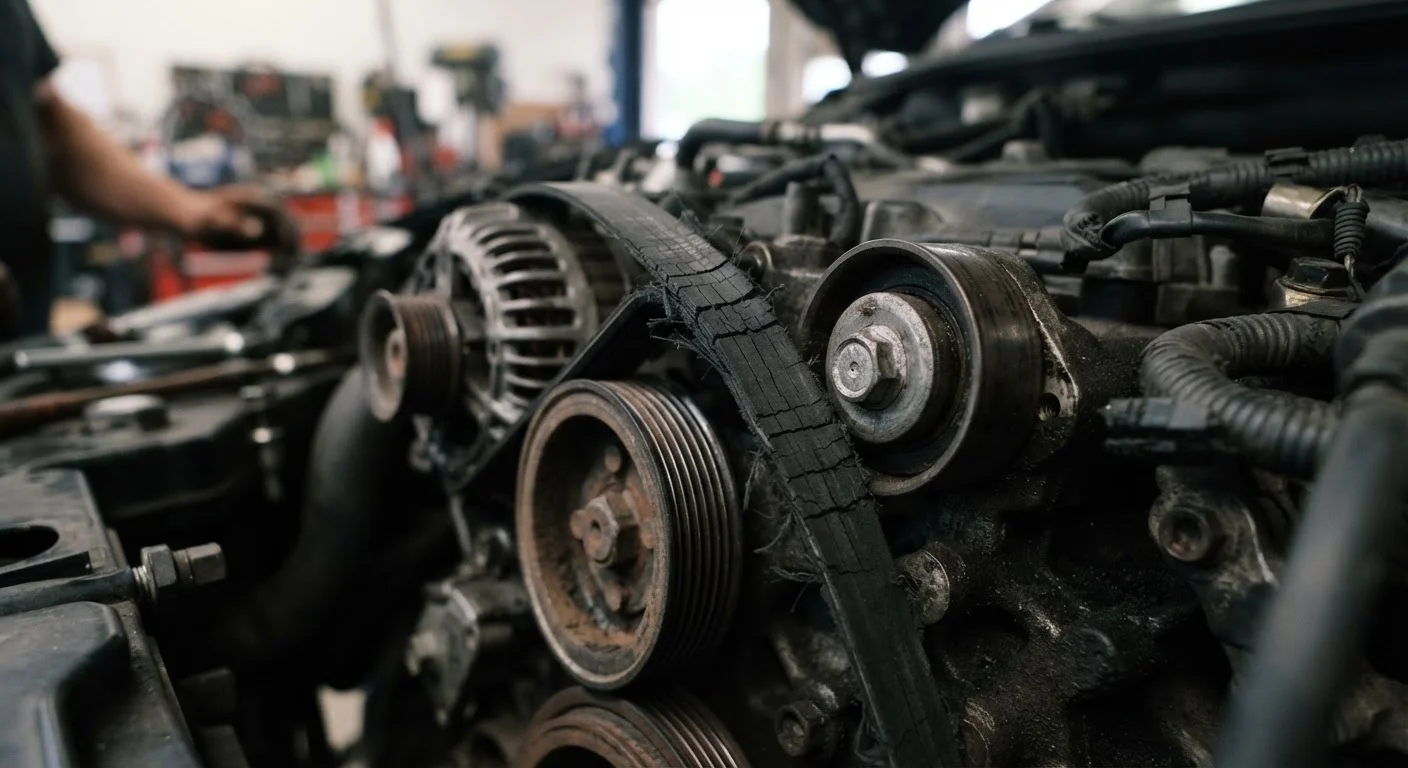
Delaying a belt or hose replacement when early wear is visible.
Why it happens: Belts and hoses rarely fail dramatically at first — they degrade gradually, so drivers assume they have more time than they do.
Ignoring a low or contaminated brake fluid level.
Why it happens: Brake fluid is invisible to casual inspection, and most drivers don't check it unless a warning light appears — which often comes late in the degradation process.
Putting off a coolant flush past the recommended interval.
Why it happens: Coolant looks fine long after it has lost its corrosion inhibitors, so there's no visible cue prompting action.
Driving on worn tires to avoid the upfront replacement cost.
Why it happens: Tire wear is gradual, and tires with marginal tread still feel functional in dry conditions, making replacement feel less urgent.
Dismissing an illuminated check engine light as a minor annoyance.
Why it happens: Because the light sometimes appears for minor issues like a loose gas cap, many drivers learn to discount it entirely.
For a deeper look at why manufacturers set specific service milestones, see the logic behind scheduled maintenance intervals.
When to DIY and When to Call a Professional
Some maintenance tasks — checking tire pressure, topping off windshield washer fluid, replacing cabin air filters — are well within reach for any careful owner. Others, particularly those involving the cooling system, brake hydraulics, or timing components, carry real risk of injury or further vehicle damage if performed incorrectly.
Don't Attempt Repairs Beyond Your Skill Level
Brake system work, cooling system pressure testing, and timing belt replacement all involve risks that can result in injury or severe engine damage if done incorrectly. If you're not confident in a diagnosis or procedure, the safer and often more economical choice is professional service. Attempting a repair incorrectly can void remaining warranty coverage and may create liability concerns if someone else is later harmed.
A practical rule: if a repair requires specialized tools, involves pressurized or high-voltage systems (such as those in hybrids and EVs), or if you're unsure of the diagnosis, defer to a qualified mechanic. The cost of professional labor is almost always lower than the cost of compounding an error. Our breakdown of DIY car maintenance vs. taking it to a mechanic can help you decide where each task falls.
This article is for general informational purposes only. Always consult a qualified automotive professional before performing or deferring any vehicle repair, particularly those involving safety-critical systems.