
Before You Land in Nairobi: A Pre-Departure Orientation for East Africa Travel

Key Takeaways
- Most nationalities can obtain a Kenya e-visa or East Africa Tourist Visa online before travel — verify requirements well in advance.
- Yellow fever vaccination proof is required when arriving from certain countries; consult a travel medicine provider.
- Malaria prophylaxis is strongly recommended for most regions of Kenya — discuss options with your doctor.
- Mobile money (M-Pesa) dominates daily transactions; carrying local currency and a backup payment method is essential.
- Cultural norms around greetings, dress, and photography vary significantly across communities and should be respected.
- Verify all entry, health, and safety requirements directly with official government sources before you depart.
Summary
22 items · 45–90 minutes
Why East Africa Demands Deliberate Preparation
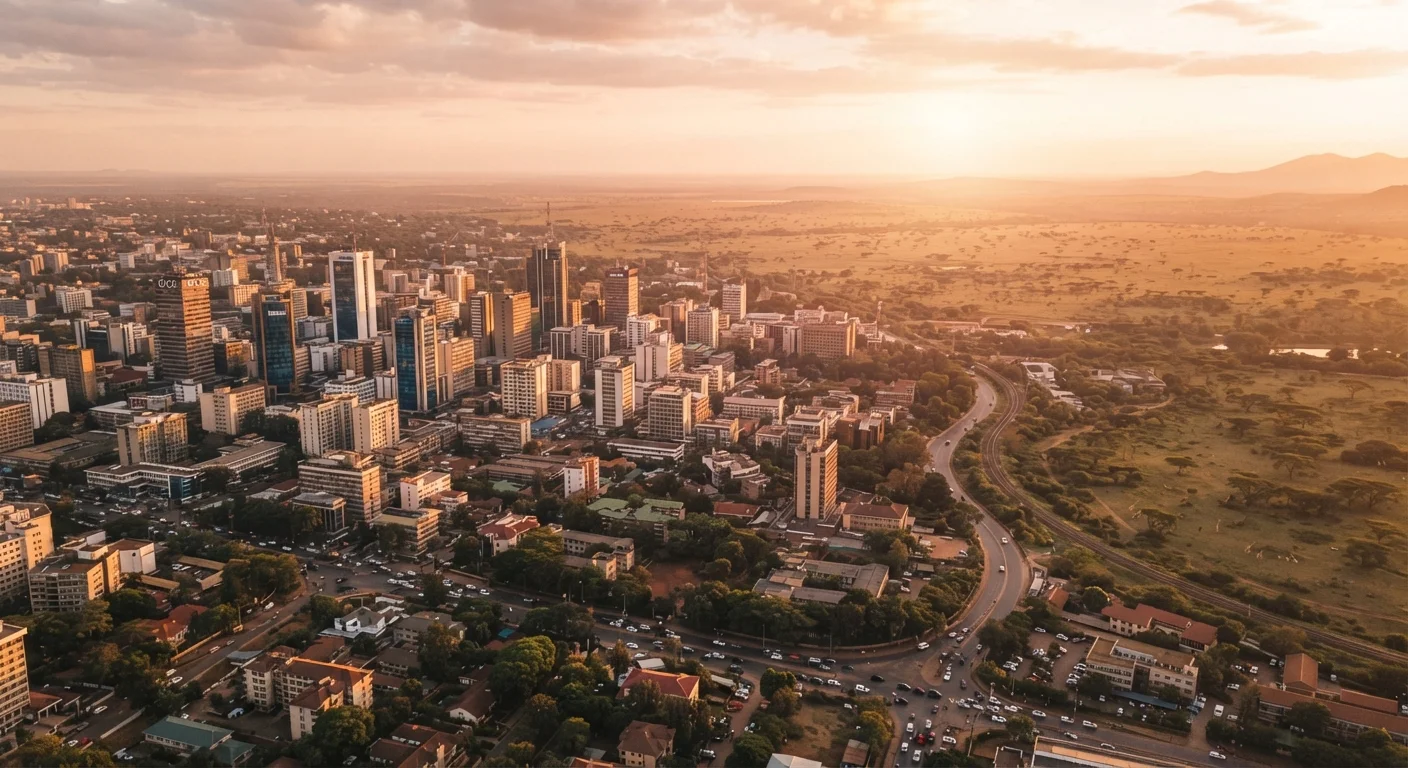
Touching down at Jomo Kenyatta International Airport, you feel it immediately — the altitude, the warmth, the unmistakable sense that a continent is unfolding around you. Nairobi is a thrilling entry point to East Africa: a city of four million people with one foot in a sprawling digital economy and the other within eyeshot of the Nairobi National Park fence. But that richness comes with logistical complexity, and first-time visitors who arrive underprepared can find the first 24 hours unexpectedly disorienting.
This checklist is designed to close that gap. It covers the categories that matter most — documentation, health, money, connectivity, and cultural grounding — so you arrive informed rather than scrambling. Think of it as a companion to the full pre-departure planning checklist, applied specifically to the East African context. If this is your first time traveling internationally, the guide to planning your first international trip covers passport and visa fundamentals worth reading first.
Documentation and Entry Requirements
Health and Vaccinations
Money and Connectivity
Cultural Context and Safety Awareness
Essential Tools and Resources
Before you work through the checklist items, gather the tools you'll actually need. Some require a clinic visit; others take only a browser and a few minutes.
Official Kenya e-Visa Portal
Apply for the Kenya e-visa or East Africa Tourist Visa before departure through the government's official immigration platform.
Travel Medicine Clinic
Provides destination-specific vaccination advice, malaria prophylaxis prescriptions, and a yellow fever certificate if needed.
Government Travel Advisory Service
Check current safety and entry conditions for Kenya and neighboring countries from your home government's foreign affairs department.
Offline Maps Application
Download offline maps of Nairobi and your destinations before departure to navigate reliably without mobile data.
Travel Insurance Provider
Ensure you have comprehensive coverage including medical evacuation before entering the region.
Don't Rely on Arrival Visas Without Verifying First
Visa policies for Kenya and neighboring East African countries change periodically and vary by nationality. What applied to a friend's trip last year may not apply to yours today. Always verify current entry requirements directly with the official Kenyan immigration authority or your own government's travel portal before booking — not through third-party travel blogs or outdated forums.
On the Ground: What First-Timers Often Underestimate
Even well-traveled visitors are sometimes caught off-guard by a few East Africa-specific realities. Traffic in Nairobi can be genuinely significant during peak hours — factor two hours or more between the airport and the city center if you arrive at the wrong time of day. The city's elevation (roughly 5,500 feet above sea level) can produce mild fatigue in the first day, so don't schedule strenuous activity immediately after landing.
Mobile money is not a novelty here — it's infrastructure. M-Pesa powers everything from street food to hotel bills in smaller towns, and some vendors simply don't accept cards. Registering for a local SIM with a data plan is one of the highest-value steps you can take in the first hour after clearing customs. Airtime and data bundles are affordable and widely available.
Photography etiquette deserves genuine attention. Photographing people without permission is considered disrespectful in many communities, and photographing military installations, government buildings, or border posts can create serious legal complications. When in doubt, ask, and accept a refusal graciously.
Malaria Is a Real Risk — Act Before You Go
Malaria is present in most low-altitude areas of Kenya, including popular safari destinations and coastal regions. It is not a precaution to defer until arrival. Prophylactic medication must typically be started before you enter a risk zone, and the right option depends on your health history, your itinerary, and the specific malaria strains present. This is a conversation to have with a licensed healthcare provider — not a decision to make based on general online reading.
Solo travelers — particularly those heading beyond Nairobi into rural or border regions — will find the solo international travel preparation guide a useful complement to this checklist. And for a broader verification framework that applies to any international trip, the pre-departure verification checklist is worth running in parallel.
This article provides general travel information and education only. Entry requirements, health recommendations, and safety conditions change — always verify current requirements directly with official government sources, your country's foreign affairs department, and a qualified healthcare provider before traveling.