

Key Takeaways
- Dental disease affects the majority of dogs and cats by age three, yet many cases go undetected.
- Bad breath is only one warning sign — changes in eating behavior and pawing at the mouth also matter.
- Home brushing and professional cleanings work together; neither alone is sufficient.
- Untreated dental disease can contribute to organ damage over time, not just tooth loss.
Why Pet Dental Disease Flies Under the Radar
Dental disease is one of the most prevalent health conditions veterinarians encounter in companion animals. According to the American Veterinary Medical Association, most dogs and cats show evidence of periodontal disease — infection or inflammation affecting the structures around the teeth — by the time they are three years old. Yet many owners only notice something is wrong once pain or tooth loss has already occurred.
Part of the reason is biological: animals instinctively suppress signs of pain or vulnerability, making it easy for owners to miss early discomfort. Part of it is also a gap in awareness around what dental health actually involves. Understanding the mistakes owners commonly make is the first step to closing that gap. You can also explore common misconceptions about pet dental health for a broader look at where understanding often falls short.
Assuming bad breath is normal and not a symptom worth investigating.
Why it happens: Many owners have grown accustomed to the idea that "dog breath" or "cat breath" is simply how pets smell, and don't connect odor to disease.
Skipping annual veterinary dental exams because the pet appears to be eating normally.
Why it happens: Owners often reason that if a pet is still eating, the mouth can't be causing significant problems. In reality, many pets continue eating despite considerable oral pain.
Relying solely on dental treats or chews as a substitute for brushing.
Why it happens: Dental treats are heavily marketed and easy to give, leading many owners to believe they are a complete solution rather than a supplement.
Not recognizing behavioral changes — like dropping food or chewing on one side — as potential dental pain signals.
Why it happens: Behavioral shifts tend to happen gradually, making them easy to attribute to aging, mood, or preference changes rather than oral discomfort.
Avoiding professional cleanings due to concerns about anesthesia.
Why it happens: General anesthesia understandably makes owners anxious, and they may delay or decline cleanings as a result.
What Good Dental Care Actually Looks Like
Effective dental care for pets involves two complementary layers: what you do at home and what happens at the veterinary clinic.
~80%
Dogs with periodontal disease by age 3
The American Veterinary Medical Association notes that most dogs show signs of periodontal disease by their third year of life.
70%+
Cats affected by dental disease
Veterinary estimates suggest the majority of cats over three years old have some degree of dental disease, much of it undetected by owners.
At home, the gold standard is daily tooth brushing using a toothpaste formulated specifically for pets (human toothpaste contains ingredients that are harmful to animals). Finger brushes or soft-bristled pet toothbrushes work well. If your pet resists brushing, introduce the process gradually — start by letting them lick the toothpaste, then progress to touching the teeth and gums before attempting full brushing strokes. Dental chews, water additives, and specially formulated diets can serve as supplementary tools, though veterinary guidance on which are appropriate for your pet is worthwhile.
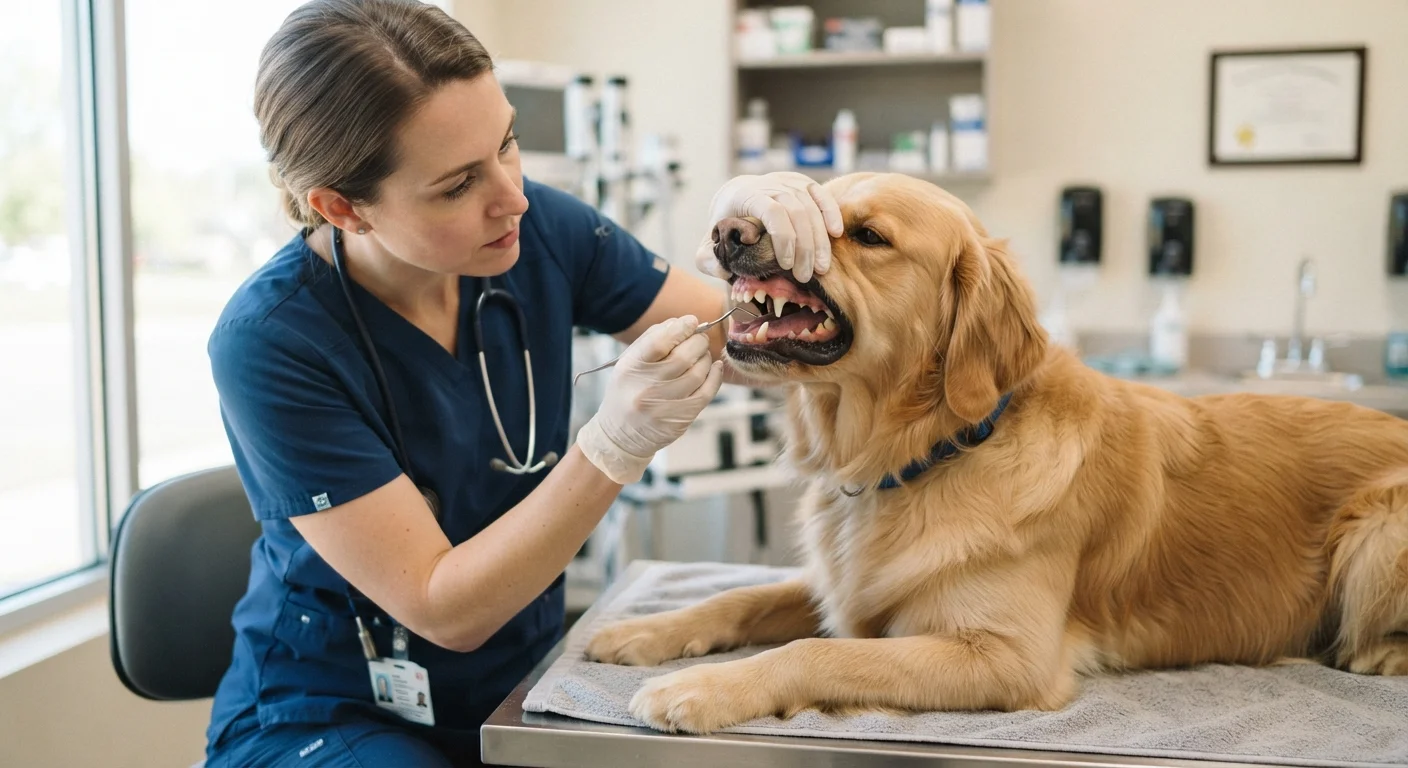
At the clinic, professional cleanings performed under general anesthesia allow the veterinarian to scale tartar below the gumline — the area where most disease begins — and take dental X-rays to assess tooth roots and bone that are invisible to the naked eye. How often your pet needs a professional cleaning depends on breed, age, and individual risk factors; your veterinarian is best placed to advise.
Dental Disease Can Affect More Than the Mouth
Bacteria from periodontal disease can enter the bloodstream and have been associated with changes in the kidneys, liver, and heart over time. This is one reason veterinarians treat dental health as part of overall systemic wellness, not an isolated cosmetic issue. Addressing oral disease early is one of the most meaningful things owners can do for their pet's long-term health.
Because dental disease can be easy to overlook, it helps to also know the quieter physical signals your pet may be sending. Subtle behavior changes that signal pain — such as reduced activity, changed posture, or shifts in appetite — are often the earliest clues that something in the mouth is wrong.
This article is for general informational purposes only and does not constitute veterinary or medical advice. Always consult a qualified veterinarian regarding your pet's individual health needs.