

Key Takeaways
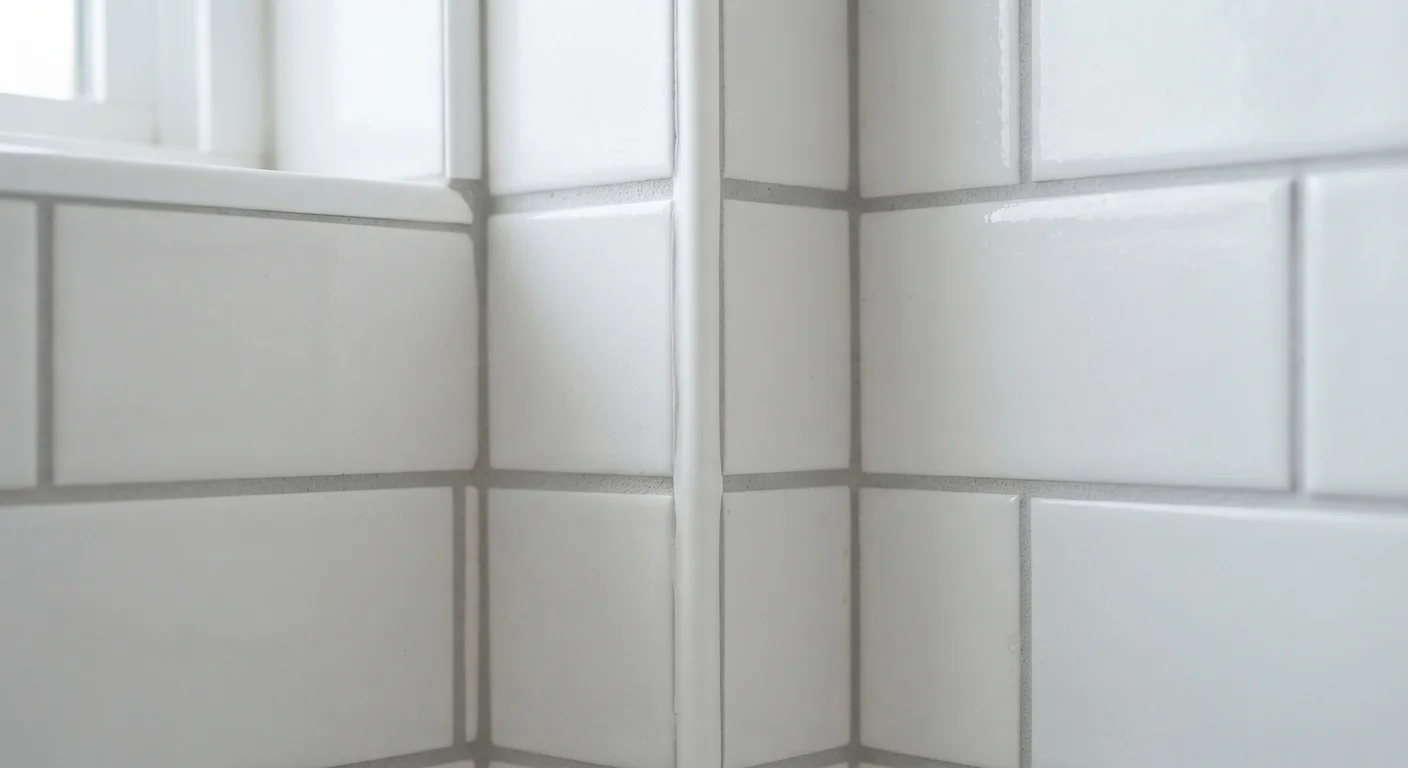
- Grout fills the gaps between tiles on the same plane; caulk seals corners and joints where surfaces meet at angles.
- Caulk is flexible and absorbs movement; grout is rigid and can crack where surfaces shift.
- Using grout in a corner joint is one of the most common — and costly — tiling mistakes homeowners make.
- Both materials require a clean, dry surface for a lasting, watertight bond.
- Color-matched caulk is widely available to blend with your existing grout color.
Option A
Grout
The rigid, structural filler for tile-to-tile gaps.
Best for: Best for filling joints between tiles on flat, stable surfaces like floors, walls, and countertops.
Option B
Caulk
The flexible, waterproof sealant for movement-prone joints.
Best for: Best for sealing corners, transitions, and anywhere two different surfaces or planes meet.
If you're filling the gaps between tiles on a floor or wall field
Grout
Grout's rigid composition is designed for tile-to-tile spacing on a continuous, stable surface. It won't compress or sag the way caulk would over large areas.
If you're sealing where a tub meets wall tile or where two walls meet
Caulk
Corner joints experience constant expansion and contraction. Only caulk's flexibility can absorb that movement without cracking and allowing water intrusion.
If you're tiling a shower floor-to-wall transition
Caulk
Floor and wall planes move independently. Caulk bridges the joint without cracking, maintaining a watertight seal even as the structure settles.
If you're doing a full tile installation from scratch
Grout
Use grout throughout the field and reserve caulk for all change-of-plane and perimeter joints — this combined approach follows industry installation standards.
The Core Difference: Rigidity vs. Flexibility
Grout and caulk can look nearly identical once applied and dried, which is why they're so often confused. The difference lies not in appearance but in physical behavior. Grout is a cement-based compound that cures hard and rigid. Caulk — typically silicone or latex — cures into a flexible, rubbery seal.
That distinction matters enormously in practice. Tiled surfaces are not static. They expand and contract with temperature changes, humidity, and the natural settling of a home's structure. Rigid grout handles those forces well when a joint stays on a single plane. But when two surfaces meet at a corner or transition — a tub deck meeting a wall, a floor meeting a baseboard — they move independently. Grout bridging that gap will inevitably crack, opening a pathway for water to infiltrate behind your tile.
| Criterion | Grout | Caulk |
|---|---|---|
| Composition | Cement-based, rigid when cured | Silicone or latex, flexible when cured |
| Primary use | Tile-to-tile joints on one plane | Corner joints, transitions, perimeters |
| Handles movement | No — cracks under flex | Yes — absorbs expansion and contraction |
| Waterproofing | Moderate; porous without sealer | High, especially silicone formula |
| Color matching | Wide color range available | Color-matched to grout widely available |
| Repairability | Requires regrout tool to remove | Removable with a utility knife or caulk remover |
| Lifespan in wet areas | Long if properly sealed and flat | 5–10 years; inspect and replace as needed |
Where Each Material Belongs
Use grout for all tile-to-tile joints on a continuous surface: the spacing between floor tiles, between wall tiles in a shower field, or across a backsplash. Grout is available in sanded and unsanded formulas — sanded grout is used for joints wider than 1/8 inch, while unsanded is preferred for narrower joints and delicate tile like polished marble.
Use caulk at every change of plane or change of material. The Tile Council of North America (TCNA) — an industry standards body — recommends caulk at all inside corners, along the perimeter where tile meets a tub or shower pan, and where tile meets a countertop. Silicone caulk offers the strongest waterproofing and mildew resistance, making it the standard choice for wet areas like showers and bathtubs. Latex (also called acrylic) caulk is easier to tool and paint, better suited for drier transitions like baseboards or window surrounds.
Industry Standards Support This Rule
The Tile Council of North America specifies in its installation guidelines that soft joints — meaning caulk — should replace grout at all changes of plane, changes of material, and at tile perimeters. Following this guidance isn't just good practice; it aligns with the installation methods that most tile warranties and building inspections expect.
For a detailed walkthrough on applying caulk correctly at the tub surround, see our guide to caulking a bathtub — it covers surface prep, application, and how to get a clean, lasting bead.
Common Mistakes and How to Avoid Them
The most frequent error is grouting an inside corner. It may look fine initially, but within months — sometimes weeks — that grout will crack along the corner line. Once cracked, water seeps behind the wall, leading to mold, substrate damage, and eventually tile failure. The fix is straightforward: rake out the grout, clean the joint, and replace it with color-matched caulk.
The second common mistake is caulking over grout without removing the original material. Applying caulk on top of cracked grout traps moisture and prevents proper adhesion, so the new caulk peels away quickly. Always remove deteriorated material down to the substrate before resealing.
80%
Of tile failures linked to water intrusion
Industry tile contractors commonly cite improper joint sealing at corners and transitions as a leading cause of water-related tile failures behind walls.
5–10 yrs
Typical caulk lifespan in wet areas
Silicone caulk in showers and tub surrounds generally holds for five to ten years under normal use before requiring inspection and replacement.
Surface prep is equally important for both materials. Grout needs a dry joint free of adhesive residue. Caulk bonds best to a surface that's clean, dry, and free of old caulk, soap scum, or mildew. Rushing past the prep stage is the primary reason both materials fail prematurely.