

Key Takeaways
- Sleep is an active biological state, not passive rest — the body performs critical repair during it.
- Growth hormone, essential for muscle repair, is primarily released during deep sleep stages.
- Chronic sleep deprivation impairs physical recovery, immune function, and injury risk.
- Even one poor night of sleep can measurably affect next-day strength, coordination, and reaction time.
- Consistent sleep quality matters as much as total sleep duration for physical recovery.
Sleep-Based Physical Recovery
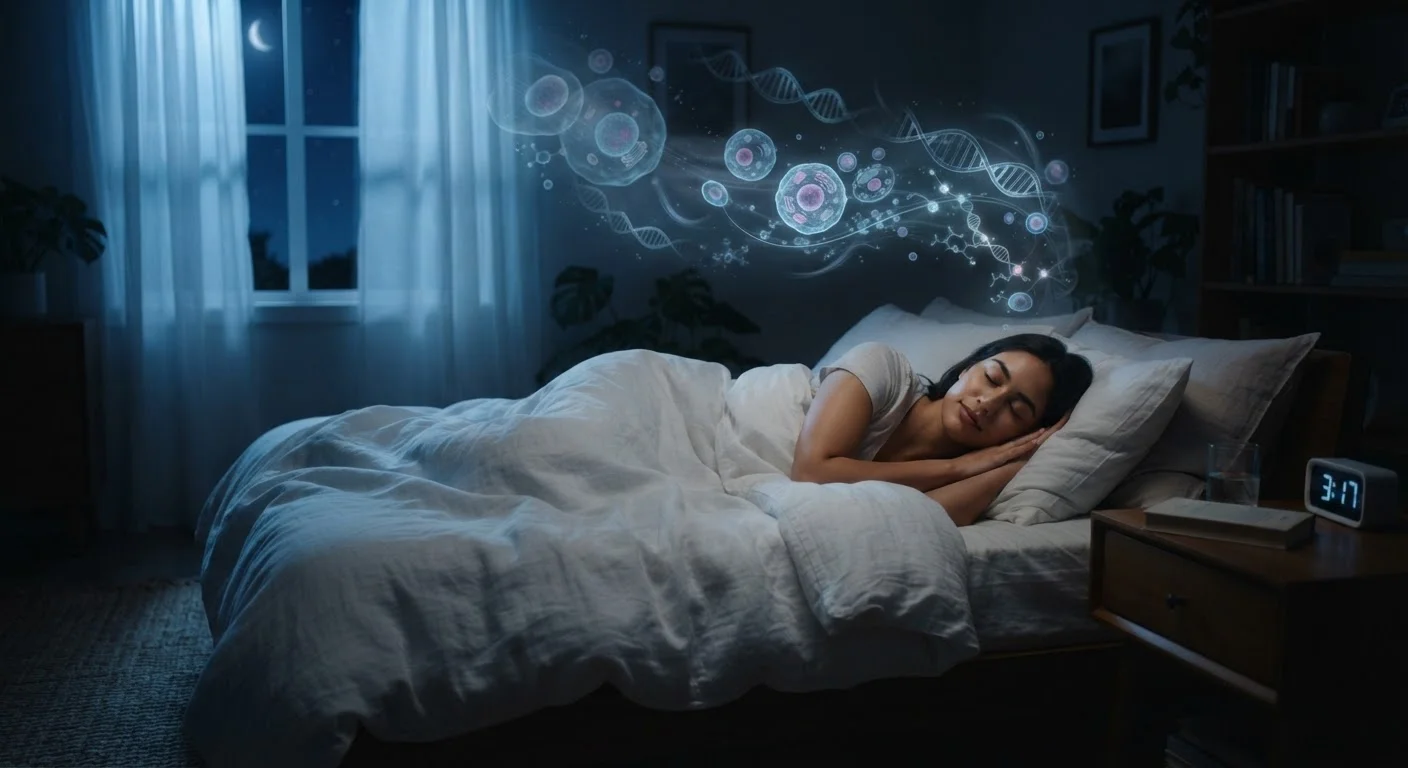
Sleep-based physical recovery refers to the biological processes your body carries out during sleep to repair tissue, regulate hormones, consolidate physical adaptations, and restore energy systems. Far from being passive downtime, sleep is an active physiological state where critical maintenance happens. Without adequate sleep, these processes are cut short, leaving your body less equipped to heal, perform, and adapt.
Key recovery processes are concentrated in slow-wave (deep) sleep and include growth hormone secretion, muscle protein synthesis, and glycogen replenishment — all of which are disrupted by sleep fragmentation or insufficient duration.
What Actually Happens to Your Body During Sleep
Most people think of sleep as the absence of activity — a nightly pause before the day resumes. In reality, your body shifts into an intensive maintenance mode the moment you fall asleep. Cellular repair accelerates, inflammatory markers are regulated, and your immune system ramps up surveillance and response activity.
Sleep is organized into repeating cycles of roughly 90 minutes, each containing lighter non-REM stages, deep slow-wave sleep (N3), and REM sleep. Physical recovery is most concentrated in slow-wave sleep, during which the pituitary gland releases the majority of the body's daily growth hormone. This hormone drives muscle protein synthesis — the process by which exercise-induced micro-damage is repaired and rebuilt stronger.
Glycogen, the primary fuel stored in muscle tissue, is also replenished during sleep. Depleted after a hard workout, these stores are restored overnight — meaning your readiness for the next bout of physical activity is directly tied to how well you slept after the last one.
Sleep Needs Vary by Individual and Phase
General sleep recommendations are population averages, not fixed prescriptions. Factors like training volume, age, health status, and stress load all influence how much sleep your body needs. People engaged in heavy physical training often require more recovery sleep than sedentary individuals. If you consistently feel unrefreshed despite adequate hours, discussing this with a healthcare professional is worthwhile — conditions like sleep apnea can undermine recovery even when total sleep time appears sufficient.
The Hormonal and Immune Connection
Sleep has a profound effect on the endocrine system. Beyond growth hormone, sleep regulates cortisol — the body's primary stress hormone. Normally, cortisol follows a daily rhythm: higher in the morning to promote alertness, lower at night to allow recovery. Sleep disruption elevates nighttime cortisol, which is catabolic — meaning it breaks down muscle tissue rather than building it.
Chronic sleep deprivation also suppresses immune function. During sleep, the body produces cytokines — signaling proteins that help coordinate immune responses and manage inflammation. Cutting sleep short reduces cytokine output, leaving you both more vulnerable to infection and slower to recover from physical stress or injury.
~70%
Daily growth hormone released during sleep
Research indicates that roughly 70% of daily growth hormone secretion occurs during slow-wave sleep, making sleep quality central to muscle repair and adaptation.
1.7×
Increased injury risk with under 8 hours sleep
A study published in the journal Sleep found that adolescent athletes sleeping fewer than 8 hours per night were 1.7 times more likely to experience an injury than those sleeping more.
7–9 hrs
Recommended nightly sleep for adults
The American Academy of Sleep Medicine recommends 7–9 hours of sleep per night for adults to support general health, cognitive function, and physical recovery.
For anyone returning to exercise after a break, these hormonal dynamics are especially important. See our guide to returning to physical activity safely for how to structure your recovery alongside gradual training increases.
Sleep Deprivation and Physical Performance
The consequences of poor sleep on physical capacity are both immediate and cumulative. A single night of shortened sleep has been shown in research to reduce grip strength, aerobic performance, and reaction time the following day. Over days and weeks, these deficits compound — and importantly, people often underestimate how impaired they are, because the subjective sense of adaptation outpaces actual recovery.
Injury risk is also elevated with insufficient sleep. Neuromuscular coordination — the precision with which your nervous system directs muscle action — depends heavily on sleep-supported neural consolidation. Fatigued athletes and workers make more movement errors, misjudge effort, and react more slowly to unexpected demands.
Protect Your Deep Sleep Window
Alcohol, late-night eating, and irregular sleep schedules disproportionately reduce slow-wave (deep) sleep — the stage most critical for physical repair. Keeping a consistent sleep and wake time, even on weekends, helps stabilize the timing and depth of your recovery cycles. If you're training hard, treating your sleep schedule with the same discipline as your workouts can meaningfully support your physical gains.
Monitoring your sleep patterns alongside energy and performance signals can reveal important trends. Our weekly physical health self-check outlines how to track these signals systematically.
It's also worth noting that sleep's effects extend beyond the physical. If you've noticed mood changes or emotional reactivity alongside poor sleep, the relationship between sleep and emotional regulation is well-documented and worth understanding alongside the physical side.
This article is for general informational purposes only and is not a substitute for professional medical advice, diagnosis, or treatment. Consult a qualified healthcare provider with any questions about your individual health or sleep concerns.